Plan · Opportunity & Jobs
Opportunity & Jobs
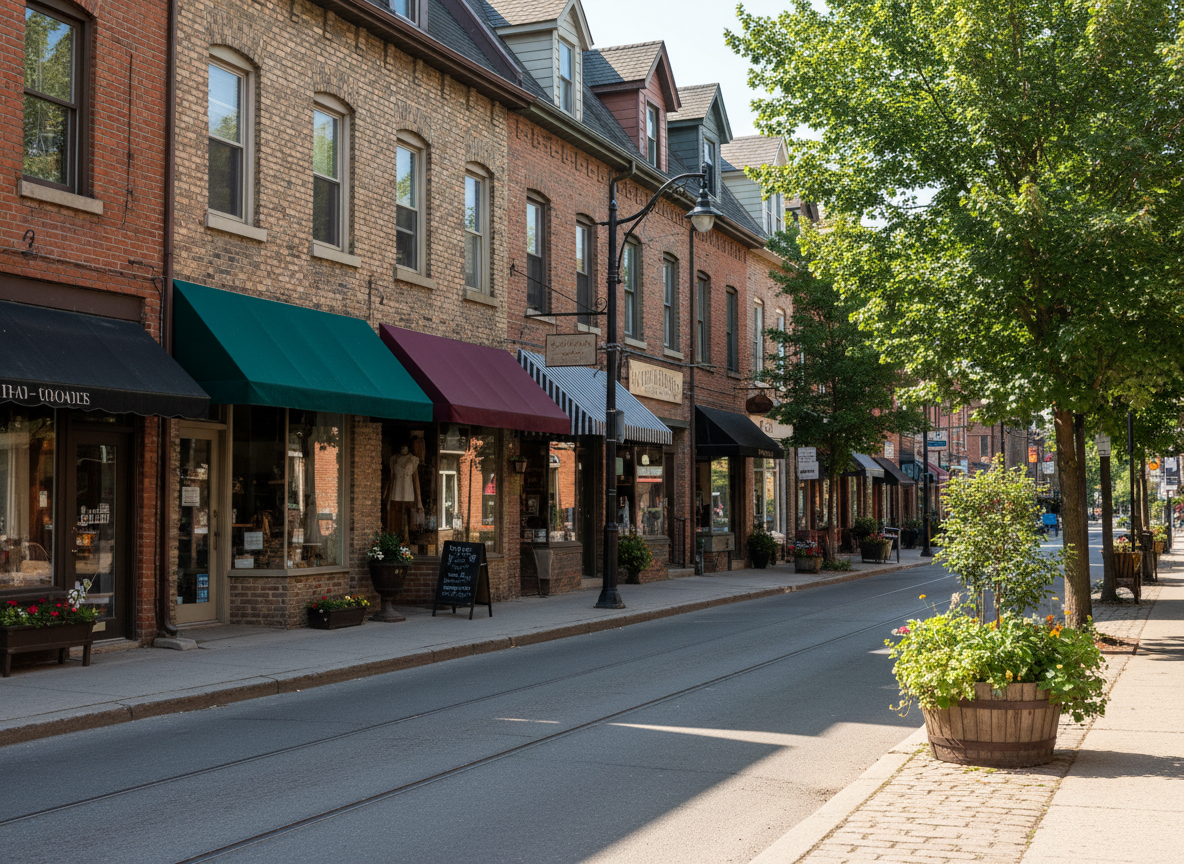
Small business
Supporting Small Businesses and Getting Toronto Back to Business.
More business on our streets, not empty towers and shuttered shops. We’ll use every city lever to help local firms start, bid, and stay, and we’ll call employers back downtown so the sidewalks fill again.
Organizing principle
Toronto’s small businesses are the backbone of our neighbourhoods. Stability, affordability, and bringing customers back. Grow and keep local shops on our main streets. Neighbourhood incubators in empty storefronts. Fairer taxes for small business. Put Toronto firms in a position to win city work. Call employers back downtown so daytime commerce fills the shops under the towers.
What a mayor can deliver
Deliver: Fair property taxes. Review how Toronto’s property-tax system hits small businesses and commercial tenants, including tax pass-through in rent. Push targeted relief for genuinely small, locally owned businesses while protecting funding for essential services. Cut the small-business property tax toward the provincial maximum discount, and narrow the commercial-residential gap.
Deliver: Cut red tape. Simpler permits, coordinated inspections, clearer timelines, and a real one-stop window for entrepreneurs. One-window permits and licences so starting and staying open is workable.
Deliver: Support during construction. Better coordination when the City digs up a street: maintain pedestrian and customer access, stronger signage and communications, and examine targeted assistance where prolonged City construction causes serious economic harm.
Deliver: Bring life back to main streets. Clean, safe, accessible commercial areas; reliable transit; functioning infrastructure; and public spaces people want to shop and eat in. Back BIAs and buy-local. Pair that with incubators and a vacancy tax aimed at absentee owners hoarding empty storefronts, not small active businesses.
Deliver: Work our own crews can do stays in-house. Where the city must buy from outside (materials, equipment, specialised services), it will split purchases into smaller lots and lower bonding and insurance barriers, so local small firms can compete. Pay vendors promptly and buy local wherever the rules allow.
Deliver: Neighbourhood incubators in empty city buildings and storefronts in Scarborough, Etobicoke, and North York, not just downtown.
Deliver: Tie the city’s own building program to local hiring, apprenticeships, and first-job pathways.
Deliver: Lead by example on downtown foot traffic. Bring City Hall workforce back into civic workplaces where the job allows, so downtown and district centres have daytime foot traffic again. Use the mayor’s bully pulpit: meet large downtown employers and ask them to restore hybrid and in-office norms that refill main streets. Pair that with BIAs, vacancy tax on absentee landlords, buy local, and incubators, so return-to-office is about saving the shops under the towers, not punishing workers.
Empty towers kill the shops underneath them. As mayor I’ll lead City Hall back downtown and call on big employers to do the same. I can’t write their HR policy, but I will use every city tool and every meeting to put people back on our main streets.
What I’ll fight for
Advocate: Commercial rent stability. Stronger provincial protections against extreme and unpredictable commercial rent increases. Explore any City tools that help protect independents from displacement, without inventing municipal rent-control powers the city does not have.
Advocate: Broader affordability so independent shops can compete with large corporations. Costs that crush Main Street crush neighbourhoods.
Advocate: A fair shot for local talent and colleges. Student intake levels and college funding are federal and provincial. I’ll advocate for a system that’s planned, not broken.
Make it easier to open a business, more affordable to keep it open, and easier for Torontonians to support it. Toronto doesn’t need small businesses simply to survive. We need them to thrive, and we need to get our city back to business.
Build for sustainability and scale: partner with BIAs and local firms so main-street growth lasts, collaborations that help neighbourhood businesses grow without losing what makes them local.
Honest line: A mayor controls city taxes, permitting, procurement, and city space, and uses those to put local business first. A mayor can ask and lead; a mayor cannot order private companies’ remote-work policy, and City Hall cannot invent municipal commercial rent control. Employment standards and commercial tenancy rules sit largely with the province. We use every city lever that fills sidewalks, we make the case to employers, and we push Queen’s Park on rent stability and broader affordability. Broader tax and education systems need Queen’s Park too.
Questions? Email bethechangeno1@gmail.com · Call (647) 785-3729
The bigger picture
The economic heart of North America
Toronto’s diversity is its competitive advantage. Used well, it makes this the place companies, graduates and ideas want to stay.
Neighbourhood incubators
Turn vacant city buildings and empty storefronts into low-cost space for local entrepreneurs, newcomers and youth, in Scarborough, Etobicoke and North York, not just downtown.
Convener-in-chief
Broker partnerships among universities, colleges, innovation hubs and business to commercialize research and keep talent and companies in Toronto.
A first customer for local ideas
Make the city a testbed and first customer for local innovation, tied to how we buy and how we build.
Diversity as strength
A welcoming, well-planned city that treats every resident equally is a magnet for the people and firms that build the future.
Fair opportunity
Fair opportunity, from someone who taught here [City Hall delivers]
I taught in Ontario’s colleges. Prioritize local firms and local hiring on city contracts where the rules allow, with apprenticeship and community-benefit requirements, fair first chances for the people who live here.
Student intake levels and college funding are federal and provincial. I’ll advocate for a system that’s planned, not broken.
Tackle poverty, not just its symptoms [City Hall delivers]
In a city this wealthy, poverty is a choice we can change. Alongside homes people can afford, free transit and food security, I’ll use the tools only the city has: expand the Fair Pass so low-income residents get discounted transit and recreation, help people get the benefits they’re already owed, pay a living wage to city workers and contractors, and run a real, funded poverty-reduction plan with targets we actually track and report.
The economic cost of racism in Toronto, and what City Hall can do about it within existing budgets, is on the Money & Taxes page.

